The Two-Question Pharmacy Hack That Might Beat Your 2026 Copay

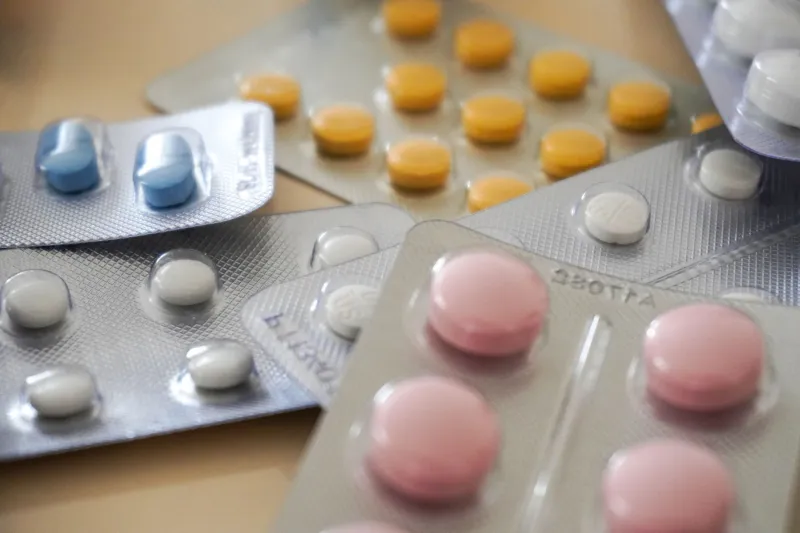
Photo by Photo by Navy Medicine on Unsplash on Unsplash
You are standing at the pharmacy counter. The technician says your copay is $47. You have a nagging feeling that the same bottle might cost less if you just paid cash, but you are not sure how to ask without slowing down the line or messing up your insurance.
The short version: you can ask. Pharmacies handle this more often than you might think. The longer version: you need to ask the right questions, because a lower price today can have a cost later if the purchase does not count toward your deductible or out-of-pocket maximum.
At MedSave Access, we are not anti-insurance. We are pro-comparison. Here is a practical script for comparing a copay with a cash or discount-card price in 2026, plus the trade-offs to check before you hand over your card.
Why cash can beat a copay
Insurance copays are based on your plan's negotiated rates, formulary tiers, and deductible rules. Those rates are often good, but not always the lowest price in the room. A pharmacy's cash price, a store discount program, or a prescription discount card can sometimes come in lower, especially for certain generics.
That does not mean cash is always cheaper. It means the only way to know is to ask for both numbers before the claim is final. The trick is to ask early, before the pharmacy submits the claim to your insurance.
The two questions to ask at the counter
Start with this one:
Before you run this through my insurance, can you tell me the cash price and the discount-card price?
That single question gives you a baseline. You are not asking the technician to break the law or do extra math. You are asking for a price comparison before the transaction is processed.
Then ask the follow-up that protects you:
If I pay cash instead, will this purchase still count toward my deductible or out-of-pocket maximum?
Write down the answer. In most cases, a cash purchase that is not billed to insurance will not count toward your plan's deductible or out-of-pocket maximum. That matters if you are close to a threshold or if you expect more medical bills later in 2026.
The full counter script
If the cash price is lower and you want to use it, say this:
The cash price is lower, so I would like to pay cash for this fill. Can you confirm it will not be submitted to my insurance today?
If the pharmacy already ran the claim, ask:
Can you reverse the insurance claim and reprocess this as a cash sale?
Before you leave, ask for a receipt that shows the drug name, strength, quantity, and the amount you paid. If you use a discount card, ask the technician to note that on the receipt if possible.
One more useful line:
Is this the same drug, strength, and quantity my insurance would have covered?
That helps you avoid comparing a 30-day supply to a 90-day supply or a different manufacturer's product. A cheap price on the wrong bottle is not a savings.
How to compare safely
Do not rely on a price you saw online last month. Prices change, pharmacies change, and discount-card rates can vary by day and location. Ask the pharmacy to check the actual price for your exact prescription.
If you are comparing a store discount program, a manufacturer coupon, and a discount card, keep them separate. Manufacturer copay cards are usually for insured patients and may have limits. Store programs may have membership rules. Discount cards are not insurance. They can lower the cash price, but they do not build deductible progress.
Also check whether your plan has a preferred pharmacy. A cash price at one store may look lower than your copay, but your insurance copay at a preferred pharmacy might be lower still. Compare the real numbers side by side.
The trade-offs nobody mentions
A lower cash price can be a smart one-time move, especially for a generic you will take for a short time. But if you have a deductible, a copay that seems high in January might be doing useful work. Paying it could move you closer to the point where your plan starts sharing more of the cost.
If you are on Medicare Part D, be especially careful. A cash purchase using a discount card generally does not count toward your Part D out-of-pocket total. Discount cards can be useful for drugs your Part D plan does not cover, but for covered drugs, you need to understand how the purchase affects your true out-of-pocket costs. Ask your plan or pharmacist if you are unsure.
There is also the manufacturer assistance question. Some copay cards or patient assistance programs require you to use insurance first. If you pay cash instead, you may lose access to that help.
When not to pay cash
Do not pay cash just because the number is lower today if you are close to your out-of-pocket maximum or if you need the purchase to count toward your deductible. Do not skip a needed medication because the cash price is still too high. Ask about manufacturer programs, foundation assistance, or a lower-cost alternative.
And do not assume the first cash price you hear is the final word. Ask whether there is a store discount program, a different quantity, or a 90-day supply that changes the math.
Keep the receipt and the answer
Before you walk away, you should know three things: what you paid, whether insurance was billed, and whether the purchase counts toward your plan totals. If the answer is no, write it down. If you later see a gap in your out-of-pocket tracking, that note will help you sort it out.
The pharmacy counter is not a place where you have to accept the first number you hear. Asking two calm questions can save you money without wrecking your coverage. Just make sure the cheaper price is actually cheaper for your whole year, not just for today.