Leftover FSA Money? Your December 31 Pharmacy Checklist for 2026
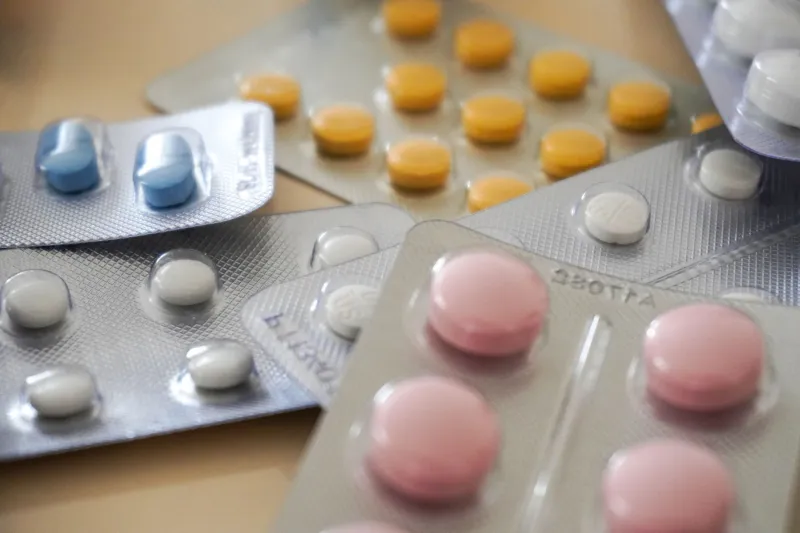
Every December, a familiar panic shows up at the pharmacy counter: somebody has a few hundred dollars left in a flexible spending account and three weeks to spend it. The rush is real, but panic-buying cough drops you will never open is not a savings strategy. The better move is a short, organized pharmacy run that uses your FSA dollars on things you will actually need in 2026.
Here at MedSave Access, we look at end-of-year pharmacy savings the same way we look at prescription assistance: the goal is to cut your bill, not your care. That means knowing what qualifies, what does not, and when stocking up helps versus when it just creates a cabinet full of expired products.
First, figure out which account you actually have
FSA and HSA dollars are not the same, and the deadline advice is different.
A health care FSA is usually tied to your employer. In most plans, you have to use the money by December 31, 2026, or you lose it. Some employers offer a grace period into early 2027 or a limited rollover, but you should not assume yours does. Check your plan documents or call the number on your FSA card.
An HSA is different. The money is yours, it rolls over year after year, and there is no December 31 use-it-or-lose-it deadline. If you have an HSA, you do not need to stage a last-minute pharmacy stock-up just to avoid forfeiting money. You can let the balance grow and use it when you actually need it.
That distinction matters because a lot of end-of-year advice treats FSA and HSA dollars as interchangeable. They are not.
What you can buy at the pharmacy without a prescription
Under current federal rules, FSA and HSA dollars can generally pay for over-the-counter medicines and certain health products without a prescription. That includes things like pain relievers, cold and flu medicine, allergy pills, antacids, antibiotic ointment, and menstrual products. First-aid supplies, bandages, thermometers, and personal protective equipment are also commonly eligible.
But plan rules can vary. Some FSA administrators still ask for a prescription or a letter of medical necessity for certain items. Vitamins and supplements are a common gray area, and cosmetics are not eligible just because they are sold near the pharmacy counter. Before you load up a basket, check your plan's eligible expense list or call the administrator. It takes five minutes and can save you a rejected claim later.
Prescription copays count, too
Do not overlook the obvious. FSA and HSA dollars can pay for prescription copays, coinsurance, and many medication-related expenses. If you have maintenance prescriptions, ask your pharmacist whether you can refill a 90-day supply before December 31. That can use up FSA money on something you already know you need.
This is also a good time to check whether any family members need refills, vaccines, or diabetes supplies before the year ends. Just keep the rules straight: FSA money generally has to be used for you, your spouse, or your tax dependents. Buying eligible items for a friend or an adult child who is not on your tax return can create problems.
Keep the receipt rule in mind
If you use an FSA debit card, it is tempting to toss the receipt. Do not. Keep itemized receipts for anything you buy, especially OTC products. A receipt that just shows a total and says pharmacy is weaker than one that lists the items. If your administrator asks for substantiation later, an itemized receipt is your proof.
For prescriptions, keep the pharmacy printout or explanation of benefits that shows the copay and the drug name. A little envelope or a phone folder labeled 2026 FSA receipts is enough. You do not need a filing cabinet. You just need to be able to show what you bought if questions come up.
Common stocking-up mistakes
One mistake is buying products you do not use. A giant bottle of expired antacid is not a health savings win. Another is assuming every item near the pharmacy counter qualifies. Sunscreen and first-aid supplies are usually fine, but cosmetics, toothpaste, and general household items are not unless your plan says otherwise.
A third mistake is waiting until December 30. Pharmacies run out of things, prescriptions need refills, and FSA administrators may not process claims instantly. Give yourself a buffer.
And do not forget the dependent rule. FSA funds are not a shared family wallet for friends, neighbors, or extended family members who are not your tax dependents. If you are unsure, ask before you spend.
A simple December 31 game plan
Start by checking your FSA balance and your plan's deadline rules. Then make a list of medications and OTC items you genuinely expect to use in the next few months. Call the pharmacy to confirm stock and ask whether a 90-day refill makes sense. Bring your FSA card, but also bring a backup payment method in case an item is rejected.
At the counter, ask the pharmacist or technician to ring eligible items separately from ineligible ones. That keeps your receipt clean and makes any claim question easier to sort out. Then submit or save the receipt the same day.
If you still have money left after covering real needs, check whether your employer offers a grace period or rollover. Do not buy random eligible products just to zero out the account. The whole point of an FSA is to pay for care you would buy anyway. A calm, checklist-driven pharmacy run beats a December panic every time.