The Half-Tablet Question: Where Splitting Pills Saves Real Money — and Where It Can Backfire
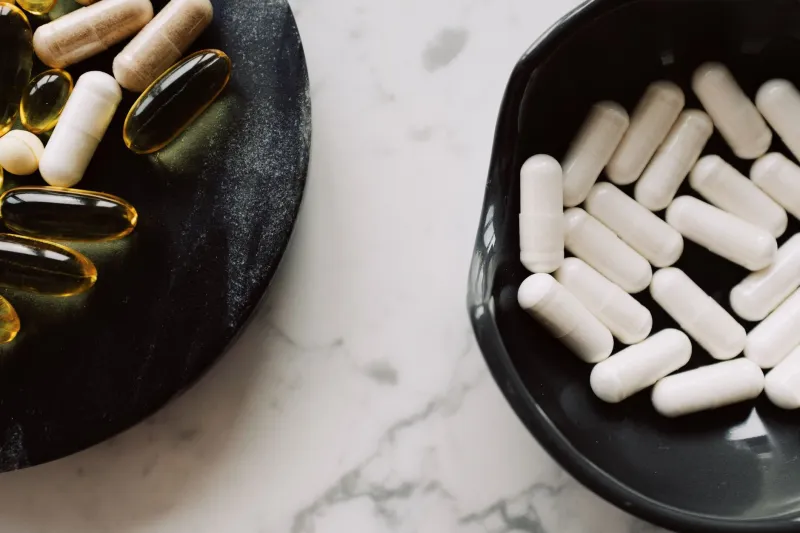
Splitting a pill sounds like advice from a frugal uncle, not something a pharmacist would nod along with. But it is a legitimate cost strategy — used carefully, with a prescriber's blessing — that can turn one month of medication into two for the same copay. It can also go badly wrong. The trick is figuring out which side of that line your prescription sits on before you start breaking tablets over the sink.
Why the Same Copay Buys Twice the Doses
Most insurance plans, including many Medicare Part D formularies, price drugs by the tablet rather than by the milligram. A 10 mg tablet and a 20 mg tablet of the same generic often land in the same copay tier, and manufacturers frequently price strengths within pennies of each other. That quirk is where the savings live.
Here is the math in plain terms. Say your copay is $45 for a 30-day fill of a 10 mg tablet taken once daily. If your prescriber instead writes a 20 mg tablet with instructions to take half a tablet daily, that same $45 covers 60 days of doses. Two fills a year become roughly four months of savings — call it $135 to $180 annually on a single drug. Multiply that across a household with three or four chronic prescriptions and it stops being pocket change.
The catch: not every tablet survives a clean break, and not every drug tolerates the dose wobble that comes with an imperfect cut.
The One Phone Call That Makes It Legitimate
You cannot simply buy the stronger dose and start halving it on your own. The prescription has to match what you are actually taking. Ask your prescriber to write the double-strength tablet with a clear instruction like take one-half tablet by mouth once daily, and a quantity that reflects the new count. Some clinicians are happy to do it; others want a reason. Come with the cost math and a specific ask, not a vague request to save money.
Pharmacists generally will not swap a strength on their own, and for good reason — a changed dose without the prescriber's sign-off is a safety issue, not a billing tweak. If your prescriber agrees, confirm the pharmacy has the new strength in stock before your current bottle runs out.
Tablets That Usually Split Cleanly
If a tablet is scored, flat, and not formulated to release slowly, it is a reasonable candidate for review. Scored tablets are manufactured with a break line, and many split into halves that are close enough for most routine medications. Round or oblong tablets with a deep score and a firm, non-crumbly texture tend to behave best.
Even then, the score is a hint, not a guarantee. Independent testing has shown that hand-split halves can vary by 10 percent or more from each other, and that gap widens with small, brittle, or unusually shaped tablets. For most blood pressure drugs or statins, that variance is not clinically meaningful. For a handful of medications, it absolutely is.
Tablets That Should Stay Whole
This is the list to take seriously. Never split any of the following without an explicit green light from the prescriber and pharmacist:
- Extended-release, sustained-release, or delayed-release tablets marked ER, XR, SR, CR, LA, or DR. Cutting them can dump a full day's dose into your bloodstream at once.
- Capsules and softgels, which cannot be divided at all.
- Enteric-coated tablets designed to survive stomach acid.
- Film-coated tablets where the coating protects your stomach or masks a bitter taste.
- Narrow therapeutic index drugs, where small dose shifts matter a lot — think levothyroxine, warfarin, digoxin, lithium, and many seizure medications.
- Hormonal products, chemotherapy agents, and other drugs where handling the cut surface is a safety concern for you or anyone in the house.
- Tablets that are tiny, irregularly shaped, uncoated and powdery, or that crumble at the touch.
A Pharmacist Checklist Before You Commit
Run through these questions at the counter or on the phone, ideally before the new prescription is filled:
- Is this specific tablet scored, and is it safe to split?
- Does the drug have a narrow therapeutic window that makes uneven halves risky?
- Is the tablet coated, and does cutting it change how it is absorbed?
- Will the halves keep well, or does the drug degrade once exposed to air and moisture?
- Do I have a proper pill splitter, and can I physically use it safely?
- Does my plan require a new prior authorization for the higher strength?
- Will the pharmacy dispense the full quantity, or will my plan flag a double-strength fill as unusual?
The Insurance Detail People Miss
Some plans track days-supply rather than tablet count, and a few will question a fill that looks like more medication than the label implies. If the claim gets held up, the fix is usually documentation: the prescriber's instruction on the label is what matters. Call the plan's member services line, describe the half-tablet instruction, and ask them to note the override. It is a routine conversation, but it is one you have to start.
Storage and Everyday Practicalities
Use a proper splitter rather than a knife, and clean it between medications. Split one tablet at a time instead of prepping a month's worth at once — exposed halves can pick up moisture and lose potency, and it becomes impossible to tell which half is which if you drop one. Keep halves in the original labeled bottle, and if you are unsure whether a half is close enough, ask the pharmacist to check your technique once.
When Splitting Is Not Worth It
If the copay difference between strengths is a few dollars, or the tablet is a poor candidate, the savings do not justify the risk or the hassle. Splitting also is not a good fit for anyone with vision or hand-strength issues that make a clean cut unlikely. The point is not to split everything — it is to know which prescriptions in your cabinet are quietly overpaying, and to fix those with your prescriber's help.