Missing Medication? How to Tell a Real Shortage From a Stocking Glitch in 2026
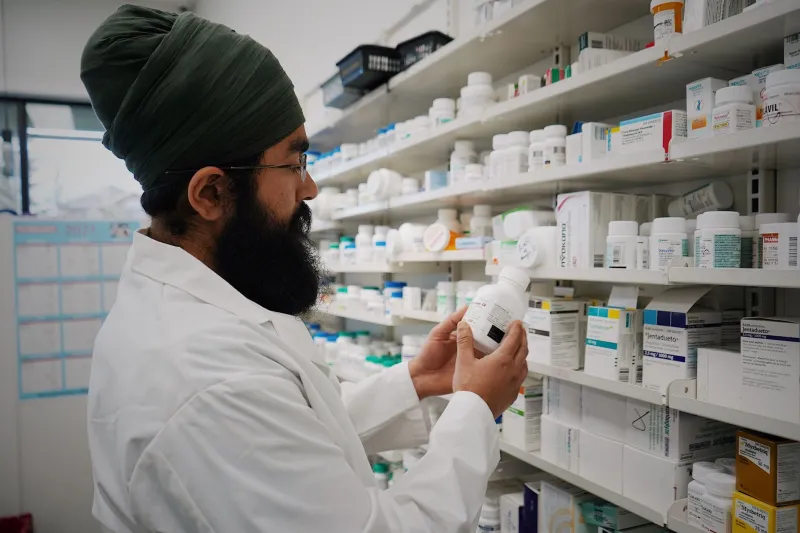
You walk up to the pharmacy counter, and the tech says the words nobody wants to hear: ‘We’re out of that one.’ In 2026, that sentence can mean a dozen different things—and only some of them are a true drug shortage. The difference matters, because it changes how many phone calls you make, how long you wait, and whether you risk paying way too much to a sketchy online seller.
An empty shelf is not a diagnosis
A pharmacy can be out of your medication for reasons that have nothing to do with a national shortage. Maybe this location never keeps that drug in stock. Maybe the wholesaler allocation ran low this week. Maybe the pharmacist can order it and have it tomorrow. Or maybe the manufacturer really is on backorder, which means calling every pharmacy in town may not help much.
That is why the first step is not panic. It is a better question.
Ask the question that separates a shortage from a stocking problem
Instead of asking ‘Do you have it?’ try asking: ‘Is this on manufacturer backorder, or is it just not stocked at this location?’ That one question can save you an afternoon of driving.
If the answer is ‘we can order it for tomorrow,’ you are probably dealing with a local stocking issue, not a nationwide shortage. If the answer is ‘our wholesaler shows no date’ or ‘the manufacturer has it on backorder,’ then you are in shortage territory. Ask for the restock date the pharmacy sees in its system, and ask whether nearby stores in the same chain have a different supply. Sometimes inventory is uneven even when the same company owns both pharmacies.
The phone script worth keeping in your notes
You do not need to become a pharmacy detective. You just need a short script. Try this:
Hi, I’m checking on a prescription for [drug name, strength, and form]. Is your pharmacy out because of a manufacturer backorder, or is it just not stocked at this location? If it’s a stocking issue, can you check nearby stores? If it’s a backorder, what restock date does your wholesaler show? And do you have it in a different strength or form that I could ask my prescriber about?
If the pharmacy is helpful, ask them to note your name and number in case a shipment arrives. If they are rushed, keep it short and call the next pharmacy. You are not being difficult. You are trying to avoid a gap in treatment.
Check the public shortage lists—but read the dates
Before you call five pharmacies, check the FDA Drug Shortages Database and the ASHP drug shortages list. Search by generic name as well as brand name. These lists are not perfect, and they do not capture every local hiccup, but they can tell you whether your medication is part of a broader supply problem.
Read the ‘last updated’ date. A drug may appear on a list even after the shortage has eased, or a shortage may be limited to certain strengths or package sizes. If the listing says one strength is affected and your prescription is for another, you may have more options than you think.
Do not assume the exact pill is the only option
Ask your prescriber and pharmacist whether a different strength, form, or package size could work. Sometimes a tablet and a capsule are not interchangeable. Sometimes extended-release and immediate-release versions behave very differently. Sometimes an oral solution is an option for one person but not another. This is not a decision to make alone from a web search.
A good question for your prescriber is: ‘My pharmacy says this is on backorder until [date]. Is there a safe alternative in the same class, or a different form of the same drug, that I could try?’ Your pharmacist can also check whether a therapeutic alternative is covered by your insurance and whether it needs prior authorization.
How to move a prescription without losing refills
If another pharmacy has the medication, ask the new pharmacy to transfer the prescription. Do not cancel the old one first. The new pharmacy will usually call the old pharmacy and request the transfer. Before you leave the counter, confirm three things: the new pharmacy actually has the drug in stock, the transfer includes your remaining refills, and the copay is what you expect.
Ask: ‘How many refills will I have after the transfer?’ Keep your old bottle and your insurance card handy. If the medication is a controlled substance, federal and state rules can limit transfers, so ask before assuming it can move like a regular prescription. In many cases, you may need a new prescription from your prescriber.
What to send your prescriber when the pharmacy is stuck
A short, specific message works better than a vague one. Try something like: ‘My pharmacy says [drug and dose] is on manufacturer backorder with no restock date. I have [number] days left. They checked nearby stores. Can we talk about an alternative, or can you send a new prescription to a pharmacy that has stock?’
Include the pharmacy names you have already tried. That saves the office from suggesting the same dead ends. If you are nearly out of medication, say so clearly. Do not stop or change a prescription on your own without medical advice.
Red flags when a shortage turns into a scam magnet
When a drug is hard to find, bad actors show up. Be wary of online sellers that require no prescription, promise ‘guaranteed’ stock, ask for crypto or wire transfers, or ship from an overseas address with no licensed pharmacy behind it. Check the seller’s license with your state board of pharmacy. For online pharmacies, look for the VIPPS accreditation mark. A too-good-to-be-true price during a shortage is a warning, not a bargain.
If a local pharmacy quotes a cash price that seems wildly out of line, compare it with another pharmacy and ask for an itemized receipt. Suspected price gouging can be reported to your state attorney general’s office.
Your 2026 shortage checklist
- Ask whether it is a manufacturer backorder or a local stocking issue.
- Check the FDA and ASHP shortage lists, and note the update date.
- Call two or three pharmacies with the script above.
- Ask about different strengths, forms, or package sizes—then confirm with your prescriber.
- Confirm stock before transferring a prescription.
- Ask how many refills will move with the transfer.
- Verify any online pharmacy’s license before paying.
- Do not stop or change a medication without medical guidance.
The bottom line: an empty shelf is stressful, but it is not the end of the road. Ask better questions, keep your prescriber in the loop, and protect yourself from shortage profiteers. A little detective work can go a long way toward getting your medication without blowing your budget.