The List Is a Menu, Not a Promise: Auditing a Pharmacy’s Cheap Generic Program in 2026
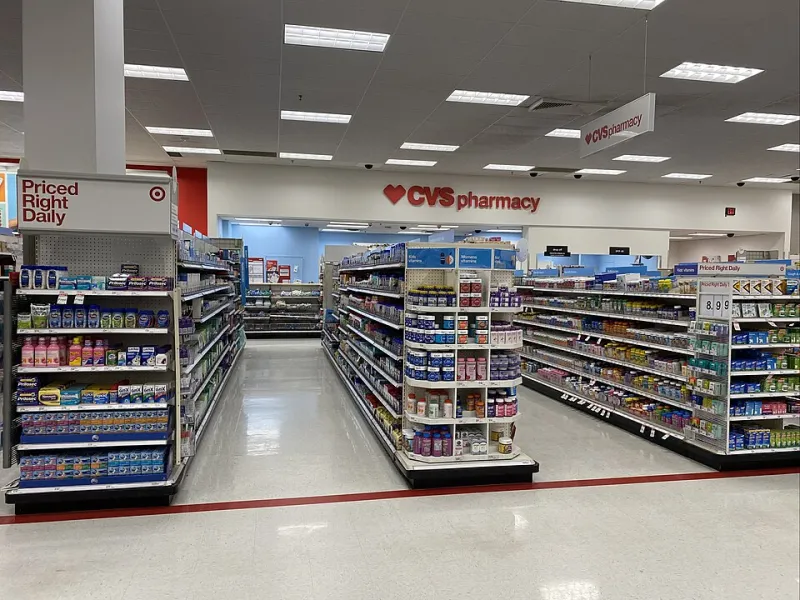
Photo: Phillip Pessar, CC BY 2.0, via Wikimedia Commons
You’ve seen the signs at the pharmacy counter: “Hundreds of generics, $4 for a 30-day supply.” It sounds like a rule written somewhere official. It isn’t. It’s a promotional program, and like any promotion, it comes with boundaries. In 2026, with copays, deductibles, and cash prices all bouncing around, the smart move is to treat that low-cost list like a menu — useful, but not a guarantee that your exact prescription is on it.
The Sign Is a Menu, Not a Contract
A discount generic program is a business arrangement between you and the pharmacy. The store can change the list, limit it to certain strengths, or require a membership. It can also restrict the price to cash-paying customers who don’t run the claim through insurance. None of that is shady by itself. It just means the sign is advertising, not a statute.
That distinction matters when you’re standing at the counter with a prescription for a drug you thought was covered. The pharmacist isn’t being difficult when they say, “That strength isn’t on the list.” They’re reading the same fine print you can ask to see.
Three Details That Quietly Knock a Drug Off the List
Most of the surprises come down to three variables: strength, form, and quantity.
Strength. A pharmacy might list a generic at 5 mg but not at 10 mg. Same drug family, different price tag. Your prescription has to match the listed strength, not just the drug name.
Form. Tablets, capsules, and extended-release versions are not interchangeable in a discount program. A $4 tablet can become a $30 capsule without anyone changing the active ingredient.
Quantity. A 30-day supply may qualify while a 90-day fill does not — or the reverse. Some programs price by the tablet count, so a “30-day supply” at three tablets a day is really a 90-tablet purchase. Ask what quantity the advertised price actually buys.
There’s also the matter of “select” generics. The list may include one manufacturer’s version and not another. If the pharmacy stocks a different label, the register may ring up a different number.
Membership Fees Can Eat the Savings
Warehouse clubs and some chain programs tie the low price to a membership. If you already shop there, the fee is part of your normal budget. If you don’t, do the break-even math before you join.
Say a membership costs $65 a year and the program saves you $8 a month on one prescription. That’s $96 in savings against a $65 fee — still ahead, but not by much. Add a second prescription that isn’t on the list and the advantage can vanish. The question isn’t “Is the membership worth it?” It’s “Is the membership worth it for this exact basket of medications?”
The Real Test: Cash Price vs. Your Insurance Copay
A discount generic program is a cash price. Your insurance copay is a negotiated price. They are not the same thing, and the cheaper one changes depending on where you are in your deductible.
If you have not met your deductible, the pharmacy counter may charge you the full negotiated rate — which can be higher than the cash price on the list. If you have met it, your copay may beat the list price easily. Medicare Part D and Medicaid also have their own rules, and manufacturer copay cards generally cannot be used with government insurance.
So the useful comparison is not “list price vs. nothing.” It’s “list price vs. what my plan actually charges me at this pharmacy on this fill.” That number lives in your insurance portal, your Explanation of Benefits, or a quick call to the member services number on your card.
A 20-Minute Audit at the Kitchen Table
You don’t need a spreadsheet. You need your medication bottles and a phone.
- Write down the basics. For each prescription, note the drug name, strength, form, and quantity. Include how many times a day you take it.
- Get the actual list. Print it from the pharmacy’s website or ask the counter for a copy. Save it — programs update their lists, and the version online may not match the one at the register.
- Ask three questions. Call the pharmacy and say: “Is this exact strength and form on your discount list? What is the cash price for this quantity without insurance? Does this price require a membership or minimum purchase?” Write down the answers and the date.
- Check your insurance price. Look up the same fill through your plan’s cost estimator or call member services. Ask specifically for the price at that pharmacy, not a generic “typical” copay.
- Compare 30-day and 90-day fills. Sometimes the longer fill is cheaper per day; sometimes it costs more because of quantity limits or tier rules. Do the division.
- Ask about a match. Before you transfer, ask your current pharmacy whether it can match the price. Some will, especially if you’re moving multiple prescriptions.
Before You Transfer, Protect Your Refills
A transfer can take a day or two, and the last thing you want is to run out of a maintenance medication. Ask how long the transfer will take, whether the new pharmacy has the drug in stock, and whether the discount price applies to transferred prescriptions or only to new ones. Some programs exclude controlled substances, and some require a new prescription rather than a transfer.
Also ask whether the list price is available if you use insurance for another prescription in the same visit. Programs can be picky about mixing cash and insurance transactions.
When the List Still Wins
The discount generic list is not a scam. For people without insurance, people in a deductible phase, or people whose plan charges a high copay for a particular generic, it can be the cheapest option on the table. The trick is to audit it the same way you’d audit any other bill: read the exclusions, do the math on fees, and compare the cash price to your real insurance price.
A $4 sign is a starting point, not a conclusion. In 2026, the best pharmacy savings often come from asking one more question before you hand over the bottle.